Skip to content Skip to sidebar Skip to footer

Author page: admin

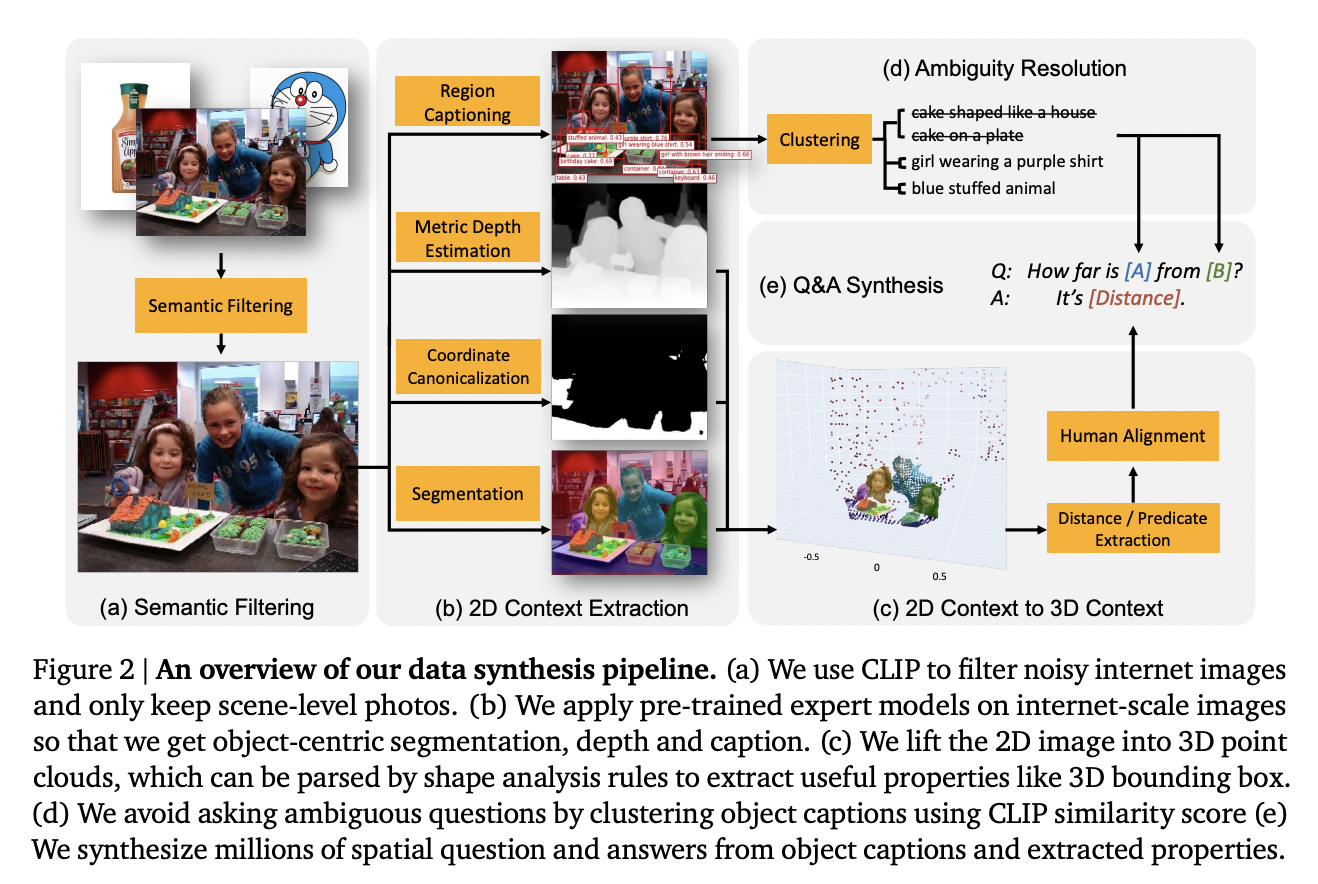
Google AI Research Proposes SpatialVLM: A Data Synthesis and Pre-Training Mechanism to Enhance Vision-Language Model VLM Spatial Reasoning Capabilities

Vision-language models (VLMs) are increasingly prevalent, offering substantial advancements in AI-driven tasks. However, one of the most significant limitations of these advanced models, including prominent ones like GPT-4V, is their constrained spatial reasoning capabilities. Spatial reasoning involves understanding objects’ positions in three-dimensional space and their spatial relationships with one another. This limitation is particularly pronounced…
Read More

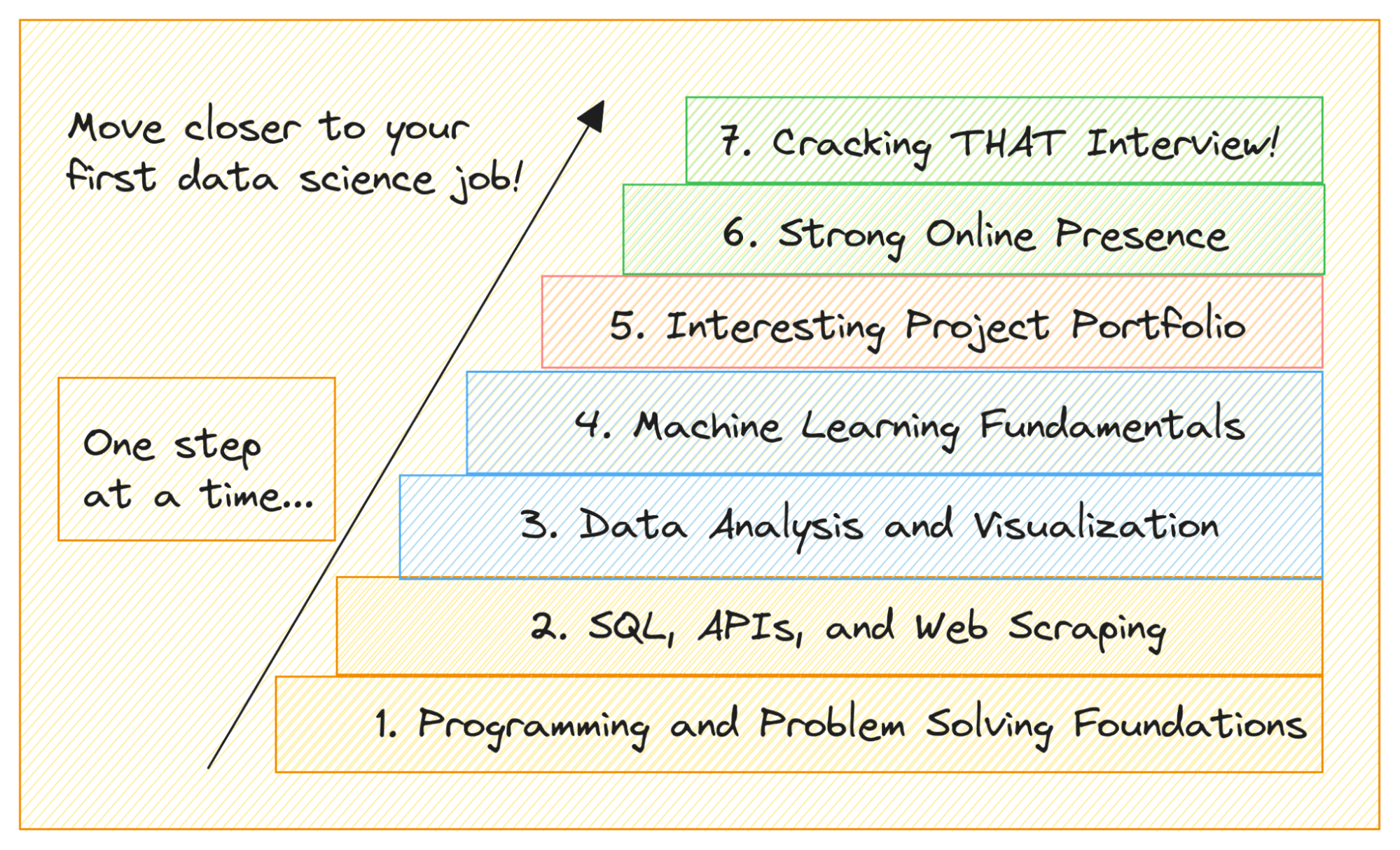
How I’d Learn Machine Learning (If I Could Start Over) | by Egor Howell | Jan, 2024

Machine learning revolves around algorithms, which are essentially a series of mathematical operations. These algorithms can be implemented through various methods and in numerous programming languages, yet their underlying mathematical principles are the same. A frequent argument is that you don’t need to know maths for machine learning because most modern-day libraries and packages abstract…

Read More

How to Find the Best Multilingual Embedding Model for Your RAG | by Iulia Brezeanu | Jan, 2024

Optimize the Embedding Space for Improving RAG Image by author. AI generated.Embeddings are vector representations that capture the semantic meaning of words or sentences. Besides having quality data, choosing a good embedding model is the most important and underrated step for optimizing your RAG application. Multilingual models are especially challenging as most are pre-trained on…

Read More

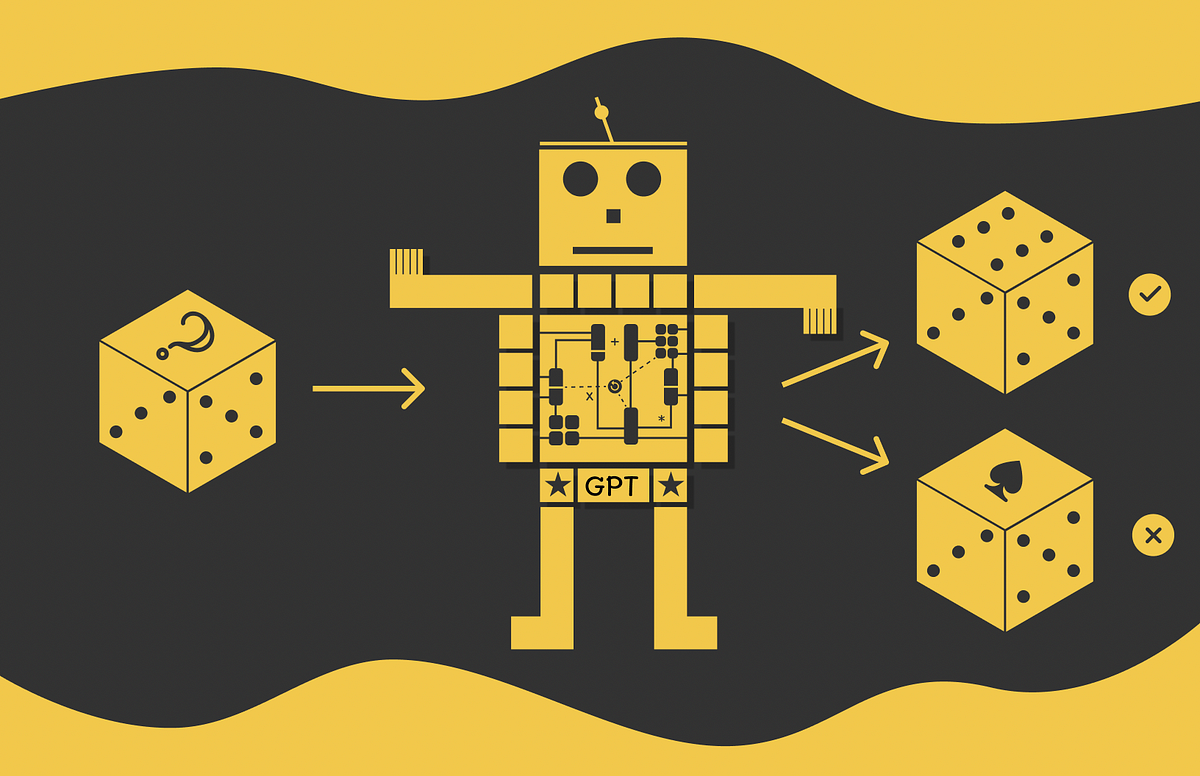
Large Language Models, GPT-1 — Generative Pre-Trained Transformer | by Vyacheslav Efimov | Jan, 2024

Diving deeply into the working structure of the first version of gigantic GPT-models 2017 was a historical year in machine learning. Researchers from the Google Brain team introduced Transformer which rapidly outperformed most of the existing approaches in deep learning. The famous attention mechanism became the key component in the future models derived from…

Read More

Google AI Presents Lumiere: A Space-Time Diffusion Model for Video Generation

Recent advancements in generative models for text-to-image (T2I) tasks have led to impressive results in producing high-resolution, realistic images from textual prompts. However, extending this capability to text-to-video (T2V) models poses challenges due to the complexities introduced by motion. Current T2V models face limitations in video duration, visual quality, and realistic motion generation, primarily due…

Read More